How to measure grams without a kitchen scale
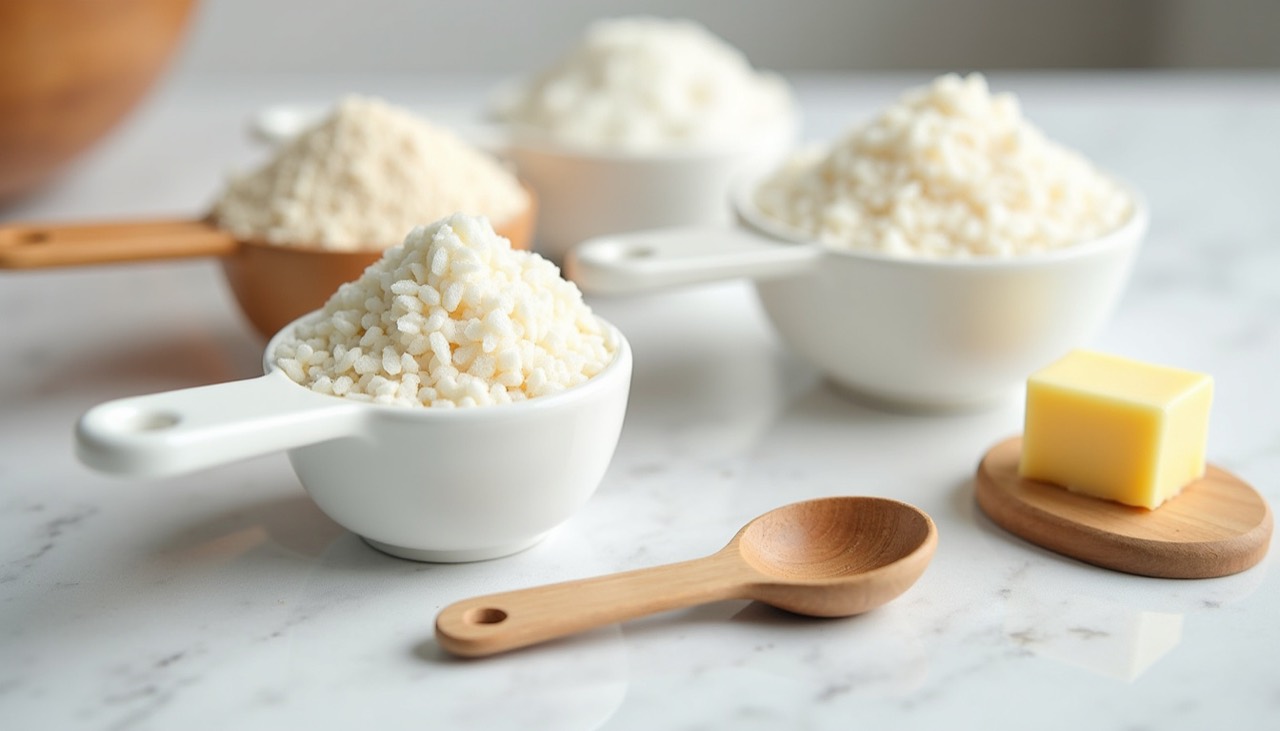
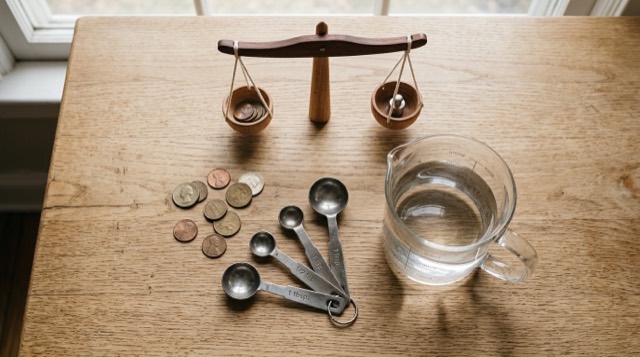
Recipes and nutrition plans love grams, but not every kitchen has a scale. This cheat sheet shows how to convert spoons and cups into grams for common ingredients, how to estimate portions by hand, and how to weigh food with a photo.
Spoons to grams
| Ingredient | 1 tbsp (15 ml) | 1 tsp (5 ml) |
|---|---|---|
| Water, milk | 15 g | 5 g |
| Granulated sugar | 12–13 g | 4 g |
| All-purpose flour | 8 g | 3 g |
| Table salt | 18 g | 6 g |
| Butter | 14 g | 5 g |
| Olive oil | 13.5 g | 4.5 g |
| Honey | 21 g | 7 g |
| Cocoa powder | 5–6 g | 2 g |
| Ground coffee | 5–7 g | 2 g |
Cups to grams (1 cup = 240 ml)
| Ingredient | 1 cup |
|---|---|
| Water | 240 g |
| Milk | 245 g |
| All-purpose flour | 120–125 g |
| Granulated sugar | 200 g |
| Uncooked white rice | 185–200 g |
| Rolled oats | 90 g |
| Butter | 227 g |
Spoon flour into the cup and level it off; scooping straight from the bag packs it and adds weight.
How to measure 100 grams without a scale
- Flour: about 13 level tablespoons, or 0.8 cup
- Sugar: 8 level tablespoons, or half a cup
- Uncooked rice: about half a cup
- Butter: 7 tablespoons, or a little less than one US stick (113 g)
- Water or milk: 100 ml
Portions by hand
- Palm of cooked meat or fish: about 85–115 g
- Fist of cooked rice or pasta: about 1 cup
- Cupped hand of nuts: about 30 g
- Thumb of butter or nut butter: about 1 tablespoon
Weigh food with a photo
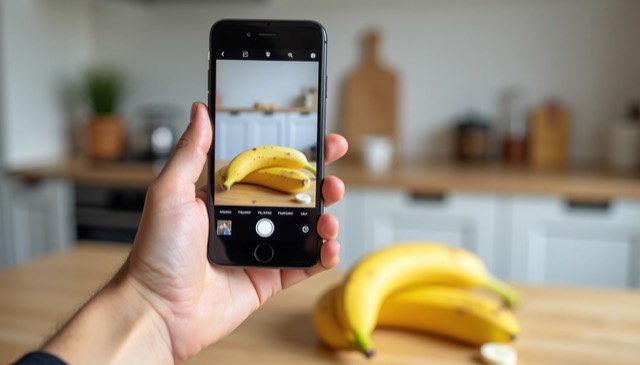
For anything that doesn't fit a spoon or cup — a chicken breast, a bowl of pasta, a pile of berries — a camera-based scale app is the quickest option. Scale For Grams recognizes the food, estimates its size and gives the weight in grams, which you can then use for calorie tracking or recipes.
When precision matters
Baking bread, making macarons or measuring baby formula needs exact amounts. In those cases a digital kitchen scale is worth it. For everyday cooking and portion tracking, the methods above are close enough.