How to weigh a package, letter or suitcase without a scale
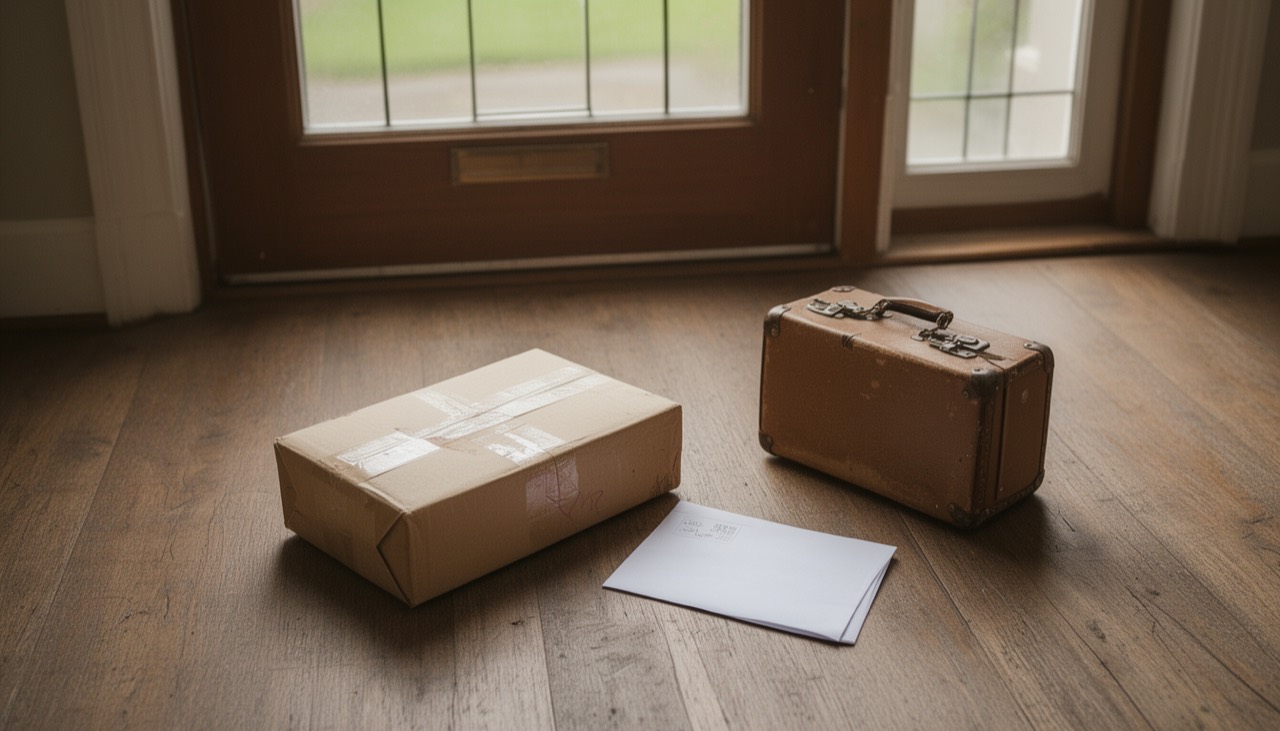
Postage, courier prices and airline baggage limits all depend on weight, and the post office scale is never where you are. Here is how to get a reliable number at home for letters, parcels and luggage — and how to get a quick estimate with your phone.
Letters: count the sheets
| Item | Typical weight |
|---|---|
| Sheet of A4 or US letter paper (80 g/m²) | about 5 g |
| Standard envelope | about 5 g |
| Greeting card with envelope | 20–40 g |
A letter with 4 sheets in a standard envelope weighs about 25 g. In the US, a standard First-Class letter stamp covers up to 1 oz (28 g). Check your postal service's weight steps before you buy postage.
Luggage: the bathroom scale trick
- Weigh yourself on a bathroom scale.
- Weigh yourself again while holding the suitcase.
- Subtract the first number from the second.
Many airlines allow 23 kg (50 lb) for a checked bag in economy, and carry-on limits are often 7–10 kg, but rules vary — check your ticket.
Parcels: actual weight vs. dimensional weight
Couriers charge for whichever is larger: the real weight or the dimensional weight. For international express shipments, dimensional weight is often length × width × height in centimeters divided by 5000. A 40 × 30 × 20 cm box therefore counts as 4.8 kg even if it weighs less. Measure your box before you compare prices.
Quick estimate with your phone
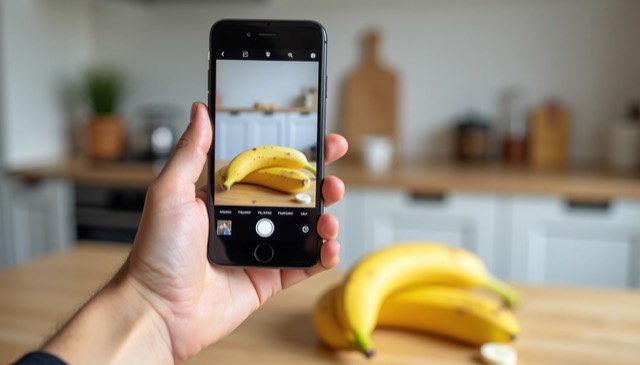
For small parcels and everyday items, a photo is the fastest check. Scale For Grams identifies what's in the picture and estimates the weight. For sealed boxes the app can only see the outside, so it works best when you photograph the contents before packing.
When you need an exact number
For postage near a weight limit, high-value shipping or overweight-baggage fees, use a real scale: a kitchen scale for letters, a bathroom scale for parcels and luggage, or the scale at the post office.